What Librarians Know About Organizing Information (That Tech Should Borrow)
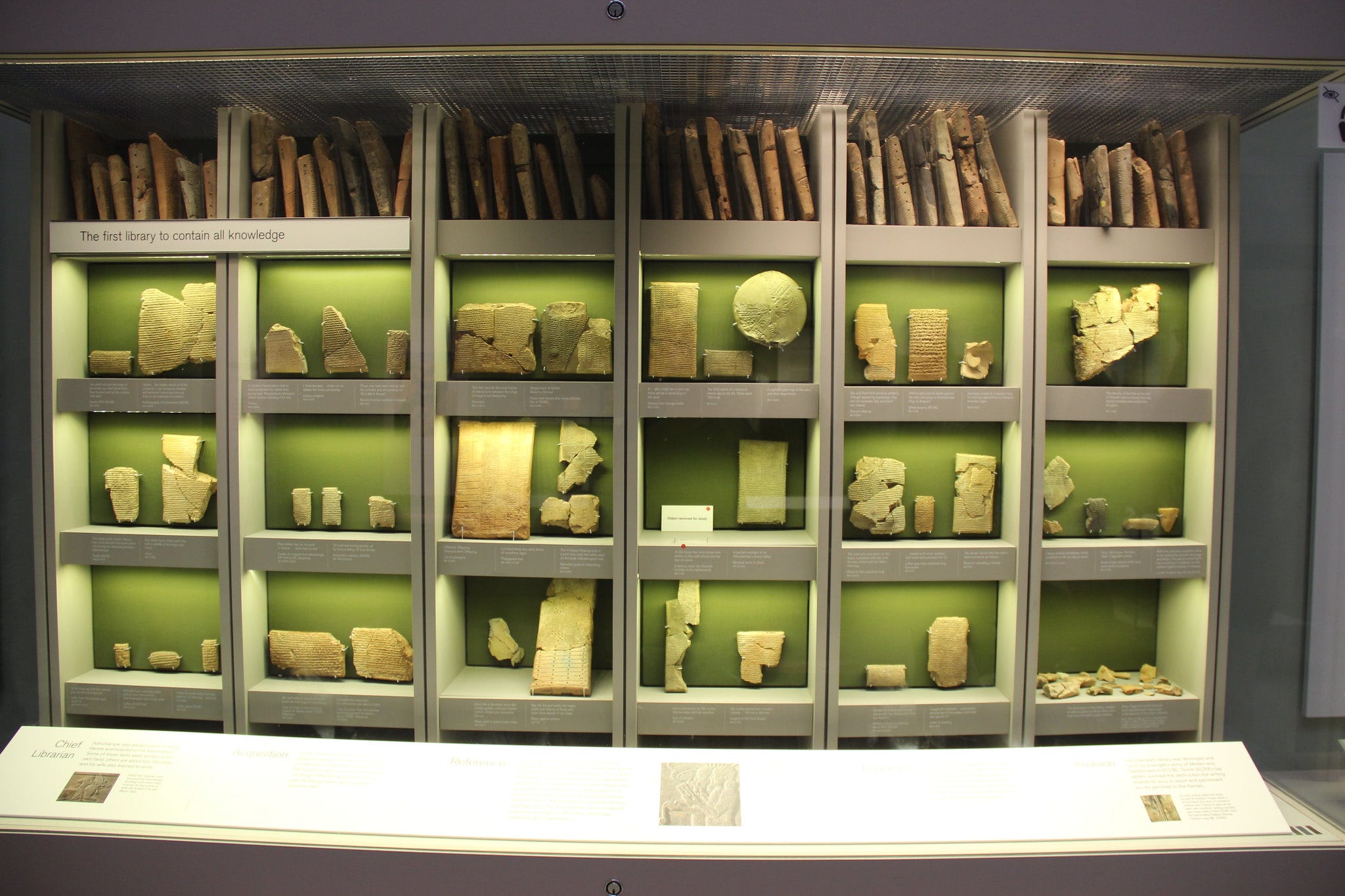
Librarianship is over 4,000 years old—we’ve been building systems to make knowledge usable since the Library of Ashurbanipal. (That’s clay tablets, not cloud drives.) And weirdly enough, a lot of what worked back then still works now.
Whether you call it knowledge management, content strategy, or just “trying to get SharePoint under control,” the core problem is the same: how do we make information findable, usable, and not overwhelming?
If your team’s knowledge base feels more like a junk drawer than a resource anyone trusts, here’s what librarians—and knowledge managers—tend to get right.
1. Organize around how people search, not how creators file
People rarely remember file names or folder paths. They remember vibes. “That one slide deck from early spring 2023,” or “the doc with the blue graph.” Librarians plan for this.
We build systems that support multiple ways in—keywords, subjects, filters, context clues. Because the goal isn’t just to store information. It’s to help people actually find it.
KM principle: User-centered design. Organize it based on how people think—not how it looked in your project folder.
2. Use consistent, human-friendly tags and vocabularies
Tags are only helpful if everyone uses the same ones. Otherwise, you end up with “hiring,” “recruitment,” “staffing-docs,” and “old resumes” all pointing to the same thing—sort of.
Librarians avoid this mess by using shared, standardized vocabularies. It’s not fancy. It just works.
KM principle: Governance. A system only works if people speak the same language—literally and structurally.
3. Build for discovery, not just storage
Uploading documents isn’t knowledge management. Making it easy for someone to stumble into the right thing at the right time—that’s where the magic is.
Good systems support browsing, related content, context cues, and next steps. Librarians think in paths, not just piles.
KM principle: Findability. If no one can find it, it doesn’t exist.
4. Maintain it like a garden—weeding never stops
Every content system eventually turns into digital clutter—unless someone plans for maintenance. Librarians do. We build in review cycles. We retire outdated stuff. We check links.
Yes, we even get rid of books. Not because they weren’t good—but because we know that clarity, trust, and usefulness depend on letting go of what no longer serves.
There’s no final form. You just keep it tidy enough to be useful.
KM principle: Lifecycle management. Content has a shelf life. Make room for pruning.
What’s the Takeaway?
The tools may change.
The platforms may get flashier.
But the people who know how to structure, label, and sustain useful information?
We’ve been here the whole time.
If your SharePoint site is more confusing than helpful, maybe don’t reinvent the wheel.
Just ask a librarian.